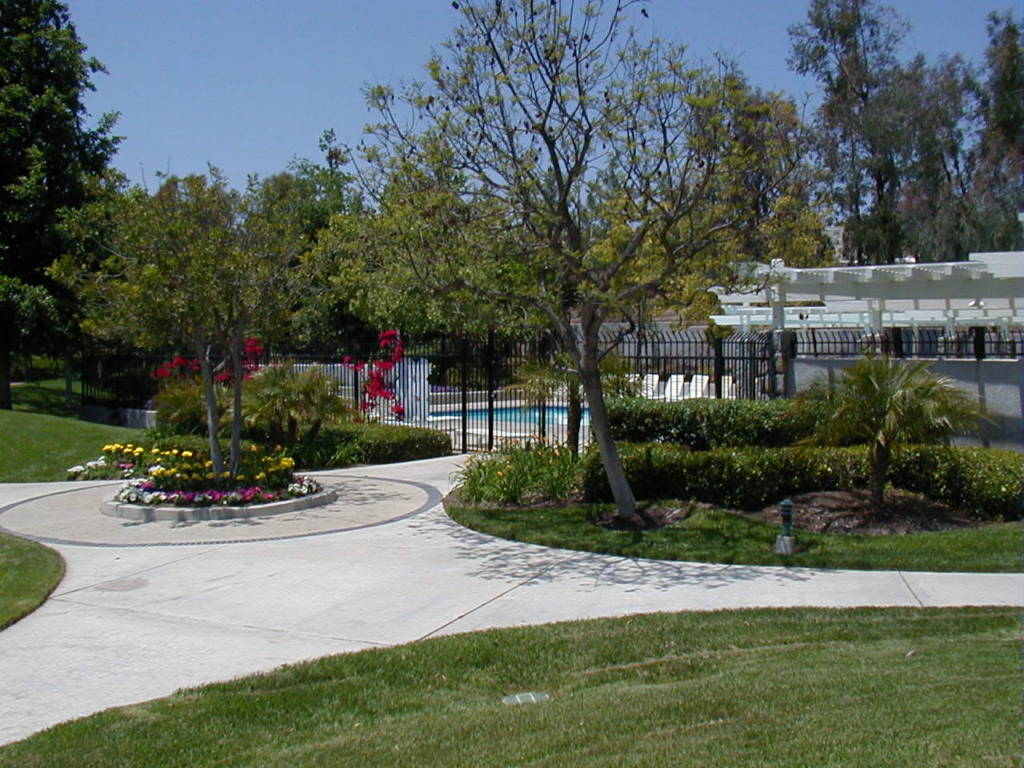
Reducing Risk While Keeping Attractive Landscaping
Landscaping plays an important role in wildfire risk, but this does not mean yards need to be bare or unattractive. Many homeowners are finding ways to maintain attractive landscaping while also reducing materials that can ignite from wind-blown embers.
The goal is not to eliminate plants and landscaping, but to reduce dense, dry, or combustible materials near structures and create spacing between plants and structures.
The Area Near the House
The area closest to the house is the most important place to consider landscaping materials. Many wildfire guidelines recommend limiting combustible materials directly next to the structure.
Some ideas homeowners are using:
- Gravel or decorative rock near the foundation
- Pavers, stone, or concrete walkways
- Metal or ceramic planters instead of wood
- Low growing plants with spacing between them
- Irrigated planters rather than dry soil areas
- Avoid bark or wood mulch right next to the house
- Keep plants trimmed and not touching walls or windows
Many homes are now using a rock or gravel border around the house and placing plants a few feet away from the structure.
Spacing Between Plants and Shrubs
Dense vegetation can allow fire to spread more easily. Spacing between shrubs and plants can help reduce this risk and often makes landscaping look cleaner and more maintained.
Things to consider:
- Avoid large dense shrubs directly against the house
- Space shrubs so they are not touching each other
- Trim lower branches so plants are not touching the ground
- Remove dead branches and dry material
- Keep grass trimmed
- Avoid continuous rows of dense shrubs
Landscaping with spacing often looks more intentional and maintained while also reducing risk.
Mulch vs. Gravel
Many homeowners are replacing bark or wood mulch with:
- Decorative gravel
- Crushed rock
- Decomposed granite
- Stone ground cover
Mulch can still be used in areas farther away from the house, but near the structure many homeowners are choosing non-combustible materials.
Gravel and rock also:
- Do not decompose
- Require less maintenance
- Do not blow away in wind
- Can look very attractive with good design
- Work well with drip irrigation
Trees and Larger Plants
Trees and larger shrubs are an important part of landscaping, but placement and maintenance are important.
Ideas to consider:
- Keep tree branches trimmed away from roofs
- Remove dead branches
- Avoid tree branches hanging directly over roofs
- Space trees so they are not touching each other
- Remove dry brush and dead vegetation under trees
- Keep the area under trees clear of debris
Properly maintained trees can be part of a fire-resistant landscape.
Irrigation Helps
Well-watered plants are less likely to ignite than dry plants. Many homeowners are using:
- Drip irrigation
- Low water plants with irrigation
- Timed irrigation systems
- Moist soil areas instead of dry bark areas
Irrigation can help landscaping remain healthy and reduce dry material.
Slopes and Hillsides
Homes on slopes or hillsides may want to pay extra attention to vegetation below the home since fire tends to move uphill.
Things to consider:
- Keep vegetation trimmed
- Remove dead brush
- Space shrubs apart
- Use rock or low growing plants
- Avoid dense dry brush near structures
Landscaping Can Still Be Attractive
Fire-resistant landscaping does not mean removing landscaping. Many very attractive yards use:
- Decorative gravel and stone
- Spaced shrubs and plants
- Drip irrigation
- Stone borders and walkways
- Low growing plants
- Succulents
- Native plants
- Raised planters
- Terracing with rock walls
Many homeowners are finding that these types of landscaping are lower maintenance, use less water, and still look very nice.
The Goal Is Spacing, Maintenance, and Material Choice
In general, the biggest improvements often come from:
- Spacing between plants
- Removing dead vegetation
- Keeping plants trimmed
- Avoiding combustible mulch near the house
- Using rock or gravel near structures
- Keeping landscaping maintained and irrigated
Small changes over time can make a meaningful difference while still keeping yards attractive and enjoyable.